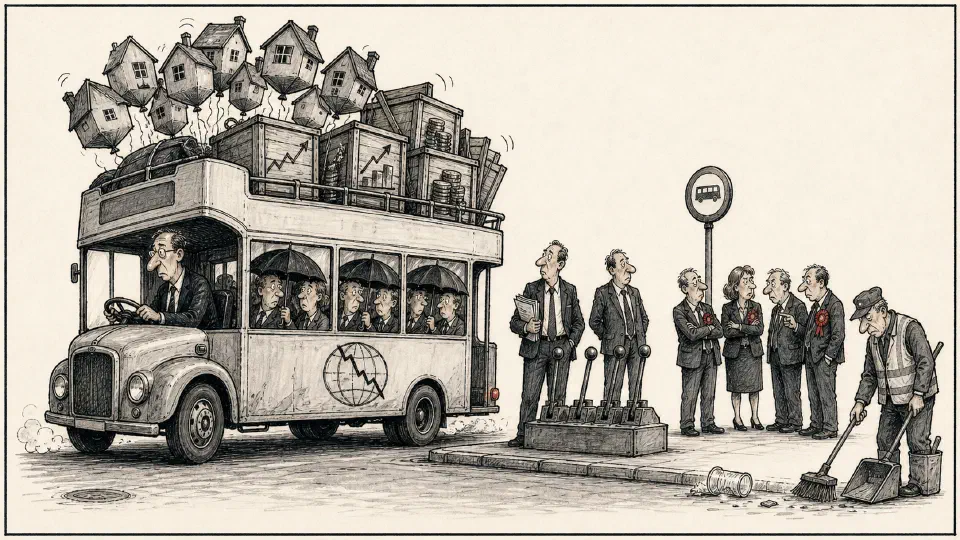
Running the national business.
The International Monetary Fund (IMF) has published its latest review on the future prospects for the world’s economies. It is a subdued picture, predicting global Gross Domestic Product (GDP) to rise by 3.1% this year and 3.4% in 2017. These figures compare with an annual average growth rate at 3.8% in the six years to 2015. Recent growth has been driven largely by emergent economies. For example, over the same six years, PR China’s economy grew at an average rate of 8.4% per annum. But by 2021, the IMF expects China’s rate to be below 6%. The Fund reckons the UK will be the fastest (1.7%/1.8%) rise in the G7 leading economies this year. The prediction falls to 1.1% for 2017.
Fiscal and monetary policy.
Some international economists have been saying for a long time that the world’s governments have transferred too much responsibility to central banks, which are in charge of monetary policy. They adjust interest rates in attempts to make the economy go slower or faster. Individual governments manage fiscal policy, which is full of political decisions and decides who gets what. The related processes take money from specified groups or priorities and moves it towards others : tax cuts, expenditure on infrastructure, higher social benefits and so on. We are supposed to find these actions acceptable. This is why they are in the hands of elected representatives. The two policies are not wholly distinct. Monetary policy is distributional as well. If interest rates are cut, then people with mortgages benefit at the expense of savers. Things start getting tricky and noisy when the central bank (Bank of England hereabouts) installs something like quantitative easing (QE). There are radical effects. Experts do not fully agree on exactly what QE does, but it seems to boost the price of assets. So, QE gives money to the wealthy and prices those assets out of the reach of others. Check the global housing market for an example. That is fiscal policy. A regressive one by anybody’s standards. Central bankers are aware of this issue and are properly reluctant to stretch their mandates much further.
Why is Momentum so controversial?
It is a grassroots and left-wing campaign group in the Labour Party. The origins were in plans to elect Jeremy Corbyn MP as leader in 2015. There have been accusations of trying to ‘purge’ moderate MPs, and of abusing and intimidating Mr Corbyn’s critics. The Times has alleged that these activities are ‘undermining British values and democracy’. The (Trotskyist?) Alliance for Workers’ Liberty (AWL) has called on its members to ‘flood’ the Labour Party. There have been efforts to unseat MPs who do not back Jeremy Corbyn. Momentum insists its campaigns are conducted ethically and criticisms are ‘inaccurate’. AWL is a tiny minority. But a determined one. These are uncomfortable times in some constituency Labour Parties. Your scribe was around in the early ‘80s. The need to win elections will prevail.
The plastic ‘no’.
The French government has banned plastic plates, cups and cutlery. This decision might be the start of a major shift away from plastic. The new law comes into effect during 2020. Pack2Go Europe is based in Brussels. It lobbies for packaging manufacturers in Europe and says it will fight the legislation. Implementation will break the European Union’s rules on trade barriers.
A danger.
‘A lecture is a process by which the notes of the lecturer are passed into the notebook of the student without passing through the brains of either.’ Adage, quoted in a letter to The Times.