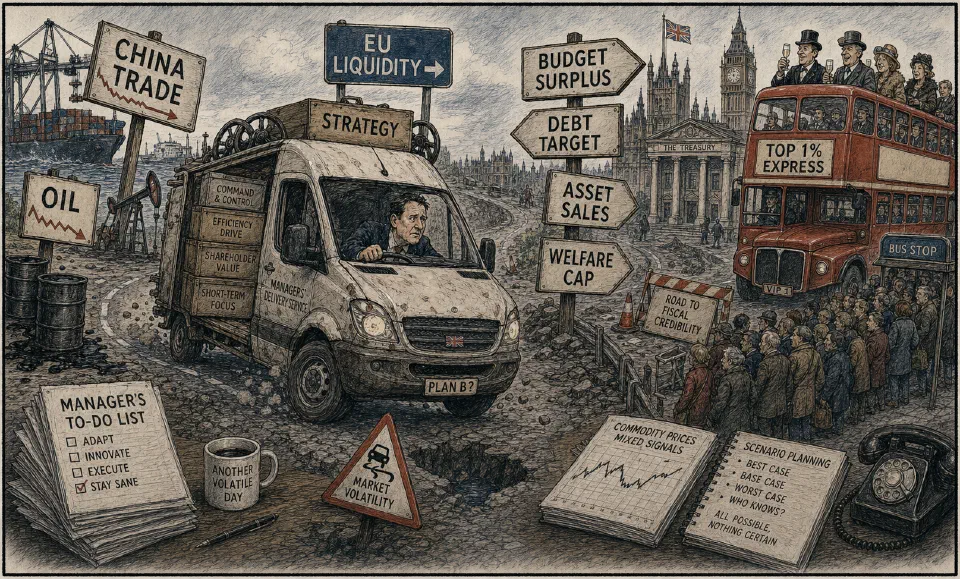
Things going on.
Trade figures of PR China in February showed the highest one-month decline since 2009. This situation disturbed a rally in the prices of equities and commodities. Brent crude oil was $40 a barrel. There are indications of a turning point. The Bank of England announced contingency plans to protect the UK’s banks from running out of funds if the forthcoming referendum on the European Union (EU) leads to a withdrawal. Commercial Banks will be able to borrow heavily in the days before and after the vote in June, to offset any threat of a run on them. Mark Carney, the B of E’s governor, had a bad tempered meeting with MPs. He said the prime minister’s renegotiation with the EU had addressed the issues which will assure Britain’s monetary and fiscal stability. He added that leaving would heighten risks in the short-term. Mr Carney denied his opinions were influenced by Downing Street. Microsoft has announced the first big step beyond its Windows operating system. The Department for Transport told Volkswagen to compensate motorists in this country who were hit by the emissions scandal.
Government targets.
The UK’s public sector net debt is 80% of national income. The Institute for Fiscal Studies (IFS) points out that this is high by recent standards and compared to most advanced economies. But it is not particularly excessive in a longer-term historical context. The chancellor of the exchequer has stated a requirement for a budget surplus in each year from 2019-20, unless growth drops below 1%. The first official figures showing whether Mr Osborne has met his target should be published days ahead of the general election in 2020. Britain has not had three consecutive years of surpluses since 1952. The chancellor has also set an expectation for debt to fall as a percentage of national income through to 2019/20, but is meeting it by selling assets. These actions might be sensible, but satisfying the rule in this way contradicts his underlying principle. The cap on welfare expenditure was intended to constrain the bulk of outgoings on benefits and tax credits, but is being breached already. Therefore, there are legitimate doubts that there have been changes of policy.
Managers’ delivery van.
The way we deliver strategies and plans has altered over seventy years, after sameness for a century. 1940s: run an organisation like an army. 1950s: meet the budget. 1960s: predict the future. 1970s: think strategically. 1980s: one best way. 2000 plus: no one best way. No strategy. The vision thing. Then … There are two schools of thought. One sees strategy as a wish-list, rallying cry or stated mission. Strategy is a vision, not a plan. Luck, opportunism, intuition and inspiration are the essentials in commercial success. The other group argues that strategy is not a vision, but about knowing how to exploit key sources of internal competitive advantage. It should be defined and applied by each business through an impartial logic and rigorous analysis. The choice will determine success.
Inequality
Oxfam has calculated that the world’s wealthiest sixty-two people – who could just about fill a double-decker bus – are collectively richer than the poorest half of the population (3.5 billion). For some, being rich and conventionally successful keeps them in the headlines. Others keep a lower profile.
Cheerio.
‘Las Vegas is the only place I know where money really talks – it says ‘Goodbye’.’ Frank Sinatra (1915–98). US singer and film actor, quoted in Moneyweek (4 March).
A pity.
‘The tragedy of modern man is not that he knows less and less about the meaning of his own life, but that it bothers him less and less.’ Vaclav Havel, Czech dramatist and statesman.
Care.
‘A business must have a conscience, as well as a counting house.’ Sir Montague Burton, English tailor and manufacturer.