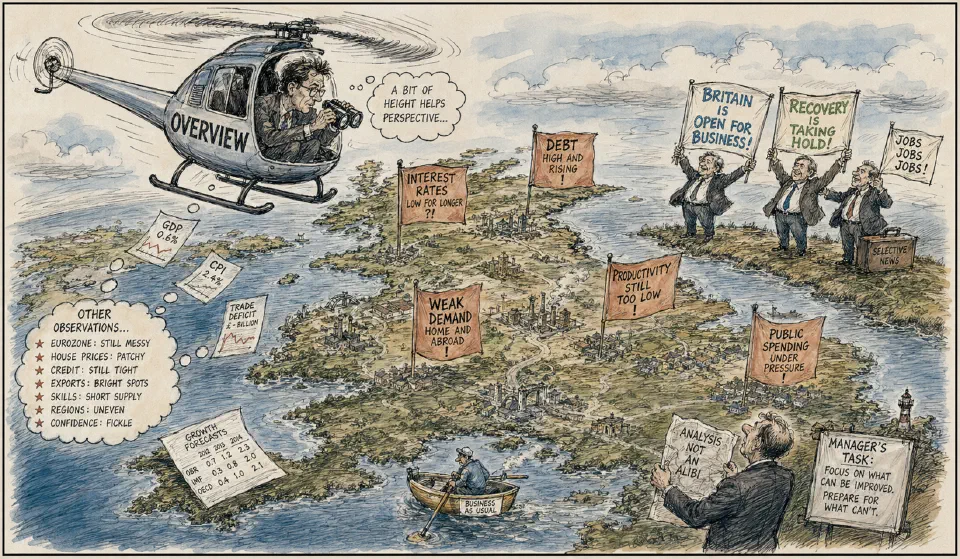
First the new Pope from Latin America , now the head of the World Trade Organisation (WTO).
Robert Azevedo is a respected Brazilian diplomat, whose appointment was not supported by America or the European Union. His arrival underlines the shift in clout relating to global trade. The WTO has 159 member-states. Its task is to settle disputes between members and promote free trade. The case for positive action is regarded as obvious by most economists and receives enthusiasm from politicians when they are talking about other countries, not their own. There is a history of long and fragmented negotiations. The United States has not ratified the Charter on international trade agreed in 1948. However, things are changing. The number of bilateral and regional trade agreements has shot up from 70-ish in 1990 to over 300 today. Western countries would be wise to overcome their reputation for intransigence and deal with the disenchantment of powerful emerging markets. It would be difficult if developing nations complete deals which exclude us.
The recession has prevented each political party’s ability to promise reform and goodies.
They retain claims that they measure economic trends by both growth and social justice. There has been failure to offer the four essential prongs: economic growth; incentives for entrepreneurial activities; cuts in public expenditure; and avoidance of further inequality. Electoral politics is having a bad time. Democracy, as we understand it, has been thumped by unpredicted shocks – Afghanistan, Iraq, collapsed banks, volatile currencies and more. Revolutions have not produced the assumed results. In the places where there are deeper roots, elected politicians struggle to persuade disgruntled voters to accept austerity. The west’s claim to ideological primacy is under challenge. We must not over-state this crisis. Nonetheless, those who want democratic values to dominate our lives, have to argue for them vigorously and define our words – freedom and institutions.
Grapevine still in front?
A survey claims that most employees still receive information about their companies from the ‘grapevine’ and not the boss. When asked which were their present and preferred sources, people in both the public and private sectors gave the ranking:
| Present Ranking | Preferred Ranking | Channel |
|---|---|---|
| 1 | 7 | grapevine |
| 2 | 1 | boss |
| 3 | 4 | paper/memoranda/email |
| 4 | 5 | trades union |
| 5 | 2 | briefing group |
| 6 | 7 | notice boards |
| 7 | 5 | house journal |
The opportunity is there for the taking.
Corporate acquisitions are sexy.
They are macho. They are the ultimate powerplay. But most post-audits reveal that they fail to yield the profits or other benefits anticipated by the buyers. When an acquisition looms up, few people have the persistence to investigate. Could a start from scratch be cheaper and better? Will the customers stay if we buy it? Why do they want to sell? Why not let them go bust and buy the remains? What else could we do with the money?
And is true of businesses.
‘One of the greatest pains to human nature is the pain of a new idea.’ Walter Bagehot, a British journalist quoted on Forbes.com